
Introduction to Next Year’s Home Starts This Fall.
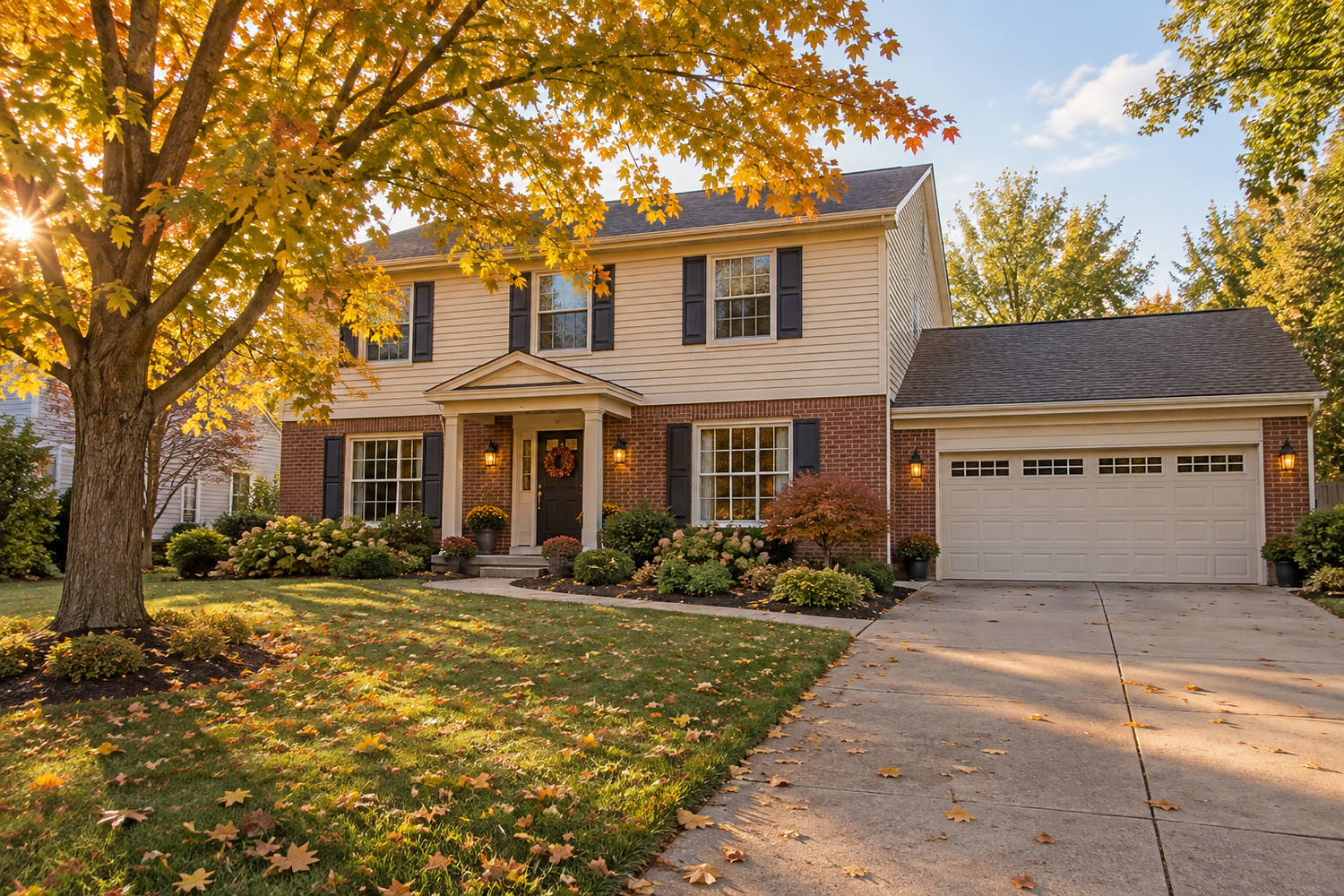
There is a particular kind of home improvement conversation that starts when you come inside carrying too much.
A grocery bag is sliding down your wrist. It is raining. The garage is full of everything except the car. You get through the door, step around a pair of shoes, and think, We really need to do something about this.
Then dinner needs to happen, somebody needs a ride, and the thought gets put away for another day.
Fall has a way of bringing those thoughts back. As routines settle in and more of life moves indoors, the house shows us where it is helping—and where we keep working around it. Those moments are worth paying attention to. They can tell you more about a useful project than a folder full of beautiful rooms.
Start with the moment you want to change
At Reformation, the first conversation is about how you want your home to work. Do you want an easier trip from the car to the kitchen? Space for a project you currently have to pack away every evening? A place where family can gather while someone else enjoys a little quiet?
Those are different goals. Even when two homeowners ask for the same thing—a garage, an addition, a more open kitchen—the right direction can look quite different.
Try finishing this sentence: I would enjoy my home more if I could ______ without having to ______.
Park without moving the bikes. Welcome guests without giving up the only quiet room. Carry in groceries without crossing the yard in the rain. A sentence like that gives a design conversation somewhere useful to begin.
Why fall is a good time to pay attention
You do not have to wait until spring to start thinking about a spring project. There is plenty to decide before a crew arrives: what you need, what the property can accommodate, how the work connects to the house, and what belongs in the scope.
There is also a local reason to start that conversation early. Dublin’s guidance specifically welcomes fall and winter applications for its Certificate of Zoning Plan Approval process to help avoid the spring and summer rush. That is one approval process, not a promise about every garage or addition permit. It is a useful reminder that planning has its own season. Read Dublin’s administrative permit guidance.
Starting now gives you room to explore the questions while you are still making choices. It does not mean committing to construction before the first snow, or deciding everything this weekend.
Collect observations before collecting solutions
Keep a short note on your phone for a couple of weeks. Record the inconvenience when it happens. Include what you were trying to do, what got in the way, and how often it repeats.
A photo can help, too. Photograph the entry with the usual coats and shoes in place. Measure the space around the car with the doors open. Save an inspiration picture, then write down the part you actually like: the covered connection, the natural light, the room separation, or the place to put things down.
I appreciate a home that has some definition between rooms. A generous opening can let people feel connected while still giving each space its own purpose. Someone else may want much more openness. The point is to understand your preference before assuming that the largest opening or the biggest addition is the answer.
A useful project begins with a clear picture of the life you want the space to support.
Five questions to bring into the conversation
- Which inconvenience do we work around most often, and what would a better day look like?
- What needs a place of its own: the vehicles, the tools, the guests, or a household routine?
- What do we already love about this house and want to preserve?
- How might our needs change over the next few years, and how long do we expect to stay?
- What investment and level of disruption would feel manageable for our household?
You do not need polished answers. A couple of honest observations are more valuable than a floor plan you feel obligated to defend.
What this series will help you figure out
Over the next five articles, we will look at the car that spends another winter outside, what holiday gatherings reveal about the house, how to put several projects in a sensible order, what winter construction really depends on, and the decisions that make a spring planning conversation productive.
Garages will be a recurring thread. They are often where parking, storage, hobbies, and the trip into the house all compete for room. We will also consider the entrances, gathering spaces, and additions that connect to those needs.
This is a chance to move from a general wish to a project with a purpose. You can do that at your own pace, with the property and budget in view.
Give next year’s project a useful starting point
You may finish these conversations knowing that a new garage is the priority. You may discover that improving the entrance matters just as much. You may decide to plan the whole idea now and build it in stages.
Whatever the direction, start with your actual address, a few photos, and the moments you would like to improve. The mailing address alone does not establish which building department reviews the work; we verify the project’s jurisdiction as part of the initial conversation.
If you are considering a garage, addition, or remodel around Dublin and nearby communities, tell us what keeps coming up in your daily routine. We can start there.