
More Than a Place to Park: What a New Garage Could Make Possible
Introduction to More Than a Place to Park.
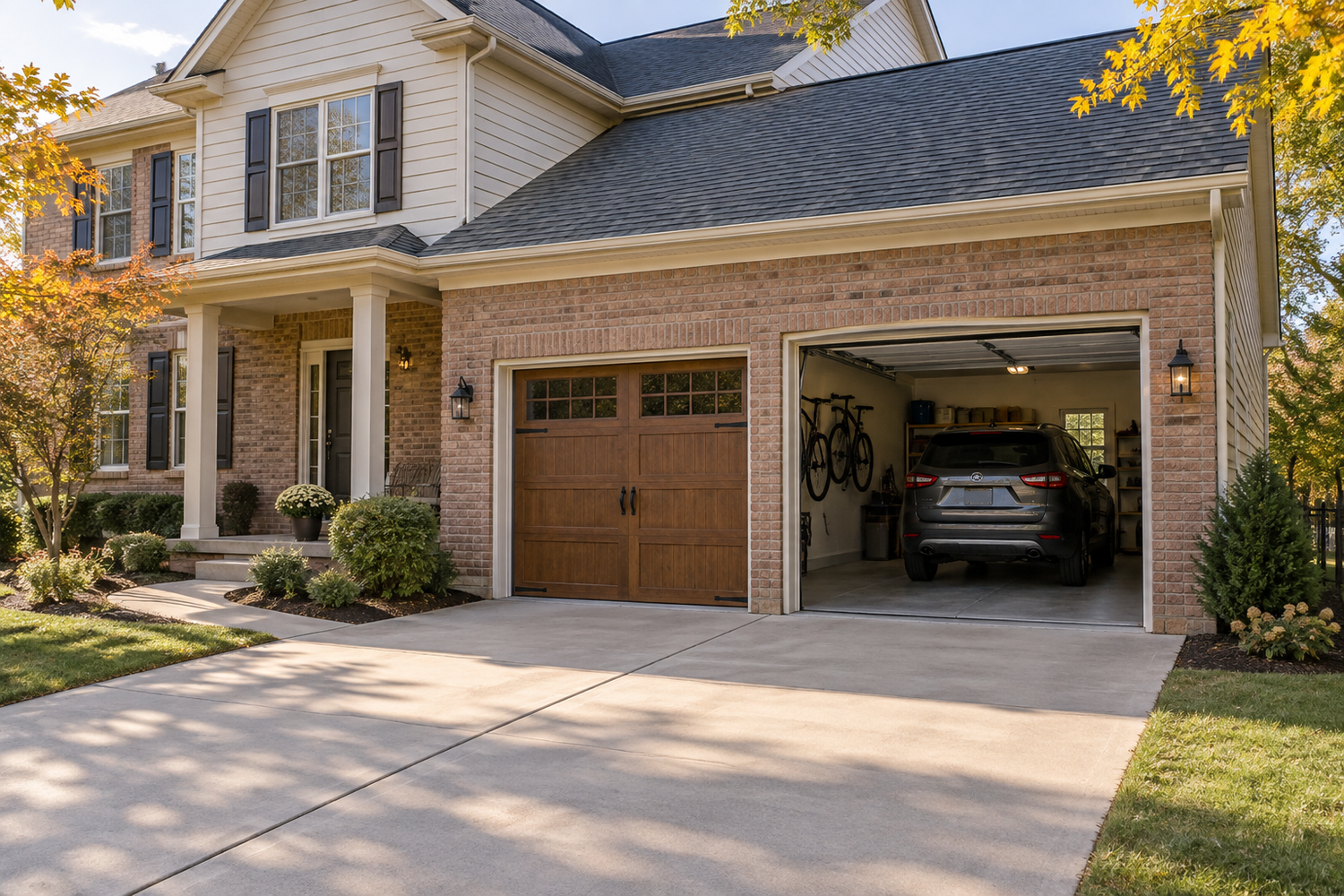
The car is outside. The bicycles are in front of the lawn mower. Somewhere behind the holiday decorations is the workbench you had good intentions of using.
Or maybe your house has never had a garage, and every rainy grocery run reminds you of it.
It’s easy to think about a garage as a place for vehicles. But when you start talking about what you wish it could do, the conversation usually reaches further: somewhere to put the tools, a place to work on a project, enough room to unload a car without rearranging everything around it.
A new garage can make those routines easier. The first step is figuring out which possibilities would matter most in your everyday life.
Begin with what is missing
At Reformation, attached and detached garages are part of the work we want to help homeowners plan and build. We start by asking what you need the garage to do, because the answer shapes much more than the number of doors across the front.
You might want to get both vehicles inside. You might have a truck that never fit comfortably in the old garage. Perhaps you need a dedicated place for woodworking tools, gardening equipment, or the bicycles that seem to multiply as the children grow.
It helps to separate the things you use every day from the things you reach for a few times a year. A snow shovel, a stroller, and a box of holiday ornaments can all belong in the garage, but they don’t need the same kind of access.
And sometimes the biggest improvement is having room to put something away without moving three other things first.
A useful garage makes space for the way you live, including the things that never quite found a place in the house.
Before deciding what to build, consider:
- What needs to be parked inside, including the vehicles you may own next?
- Which items do you reach for most often?
- Would you like to work on projects while the cars remain parked?
- How do you want to move between the garage, house, and yard?
- What would you most like to stop rearranging, carrying, or leaving outside?
Attached or detached starts with your routine
An attached garage can make the trip from car to house more direct. For someone regularly carrying groceries, helping children inside, or bringing in work bags, that connection may be a priority.
A detached garage creates a separate destination on the property. That may suit a workshop, additional vehicle storage, or a household that already has an attached garage but needs another kind of space.
Neither arrangement is automatically right for every home. Where the buildings can sit, how vehicles reach them, and how the house connects to the yard all influence the decision. A garage drawn in an appealing location still needs a practical driveway and a usable approach to its doors.
We want to understand those relationships before treating either option as the answer.
Picture the garage with your belongings in it
A garage can look generous when it’s empty. The useful question is what happens after the vehicles, shelves, workbench, and equipment arrive.
Picture opening a car door with a bicycle nearby. Think about carrying a bag past the truck, pulling a mower out, or working at the bench with both cars inside. If an activity requires moving a vehicle each time, decide whether that arrangement would actually suit you.
Storage has depth. Door tracks and openers occupy overhead space. Windows, pedestrian doors, and electrical equipment need their own places. Planning these together helps distinguish the space you can build from the space you can comfortably use.
The point is to make the drawing resemble the garage you will live with, rather than an empty rectangle with two cars sketched in it.
Let the garage belong to the property
The exterior deserves the same care as the layout. Roof shape, siding, brick, windows, and door proportions can help a garage feel connected to the house. That connection can be subtle; every material does not have to be an exact duplicate.
Then look beyond the building. Which part of the yard would remain? Where would you walk after parking? Would a new driveway change the garden, an existing patio, or the view from the kitchen?
These choices are especially personal in established neighborhoods. A garage should solve a problem in a way that still leaves you enjoying the rest of the property.
Start with the address as well as the idea
For homeowners in Dublin, Powell, Upper Arlington, Worthington, and Westerville, the first planning conversation should include the project address. The reviewing jurisdiction and the individual property help determine what needs to be investigated.
Dublin’s accessory-structure guidance specifically includes detached garages and explains the role of a site plan. That is a useful reminder to look at the property before getting attached to a particular footprint.
We’ll use local resources throughout this series to help you understand the questions to ask. A city guide is a starting point; your own property, proposed use, and design still need to be considered together.
A series to help you find the right garage
Over the next five articles, we’ll look at attached versus detached garages, choosing a useful size, planning an easier everyday entrance, making room for hobbies and equipment, and understanding the property and budget decisions before construction.
You do not need a complete plan before starting the conversation. A few photographs, the vehicles you want to accommodate, and a short list of what you wish worked better give us something practical to discuss.
Tell us what you want to bring inside—and what you would finally like to have room to do.
Let’s talk about the garage your home needs.
Planning your garage project
- Explore Reformation’s attached and detached garage services.
- Understand the role of pre-construction planning.